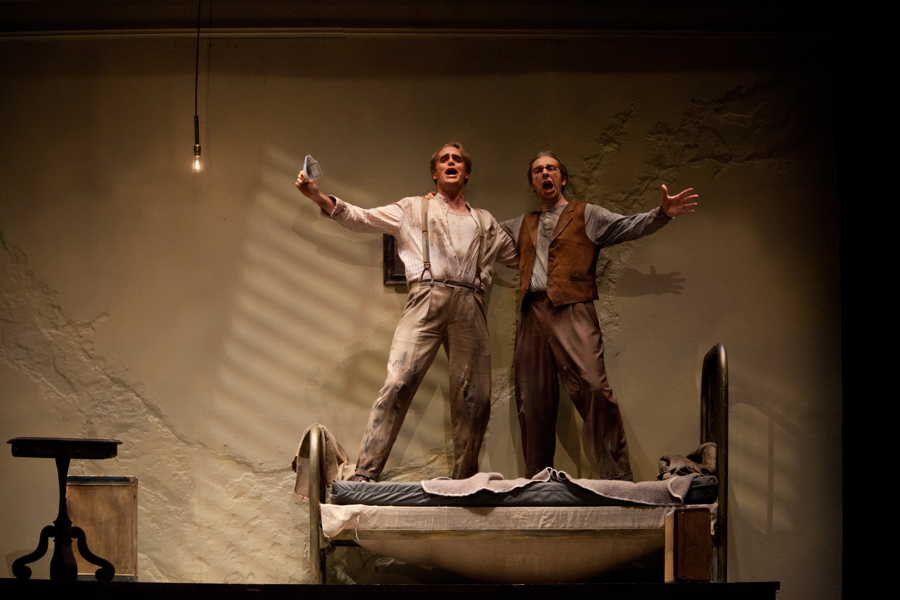
Rossini’s The Barber of Seville

Listen

Rossini–The Barber of Seville: Overture selection
Courtesy of the BLO Orchestra
Final Dress Rehearsal: March 9, 2012

Sung in Italian with projected English translation
March 9, 11m, 14, 16, 18m, 2012 at The Citi Performing Arts CenterSM Shubert Theatre
Evening performances begin at 7:30pm. Matinees (m) begin at 3pm.
Music by Gioachino Rossini │Libretto by Cesare Sterbini

Running Time: 2 hours and 45 minutes with 1 intermission

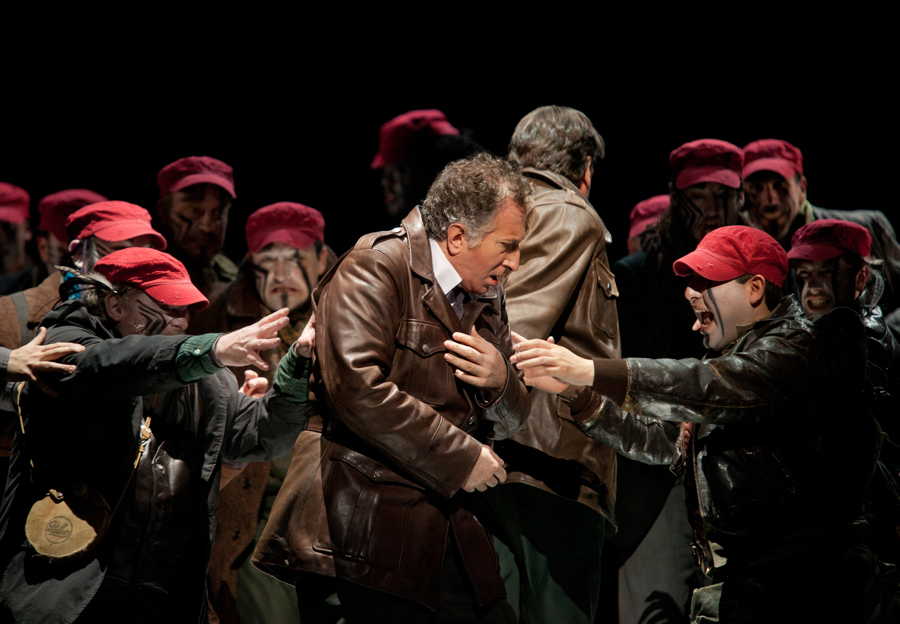
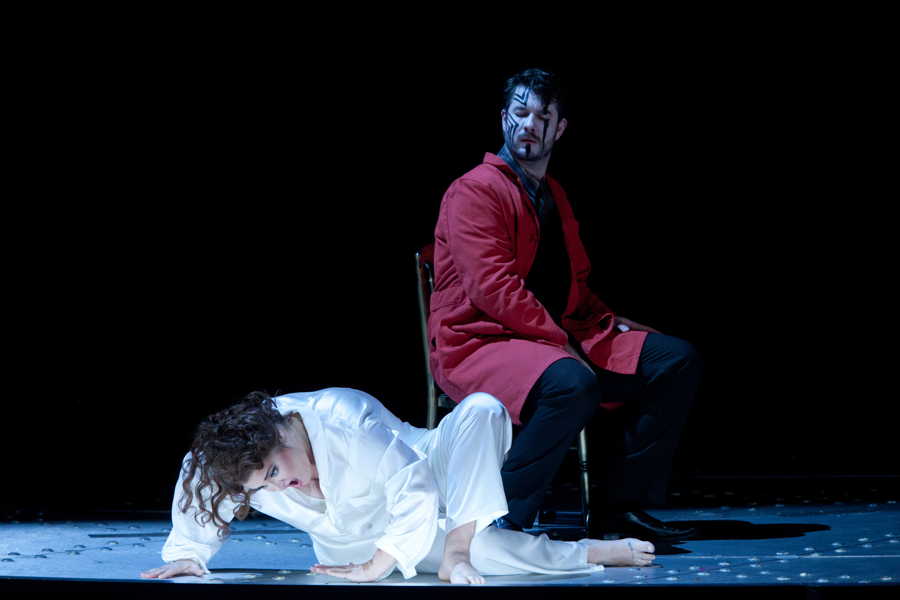
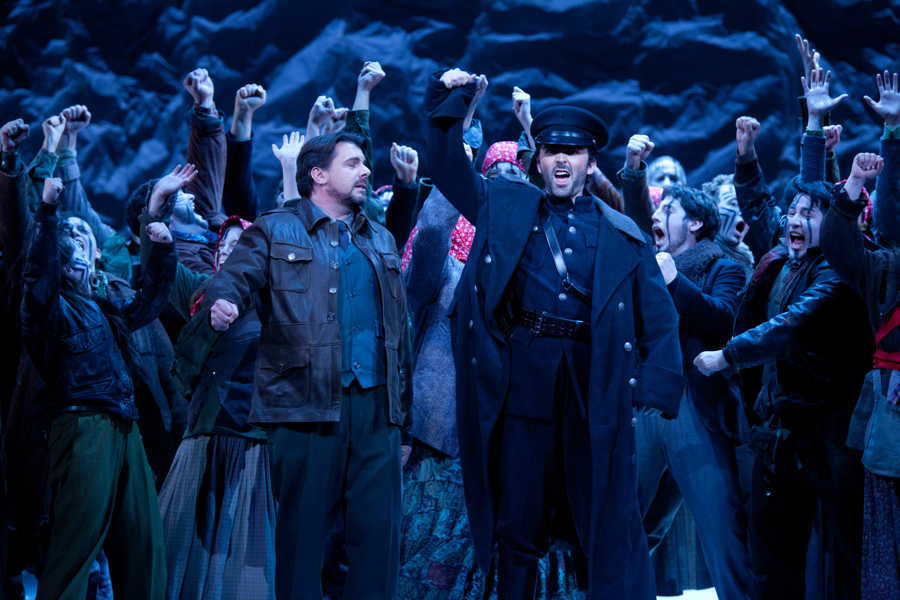
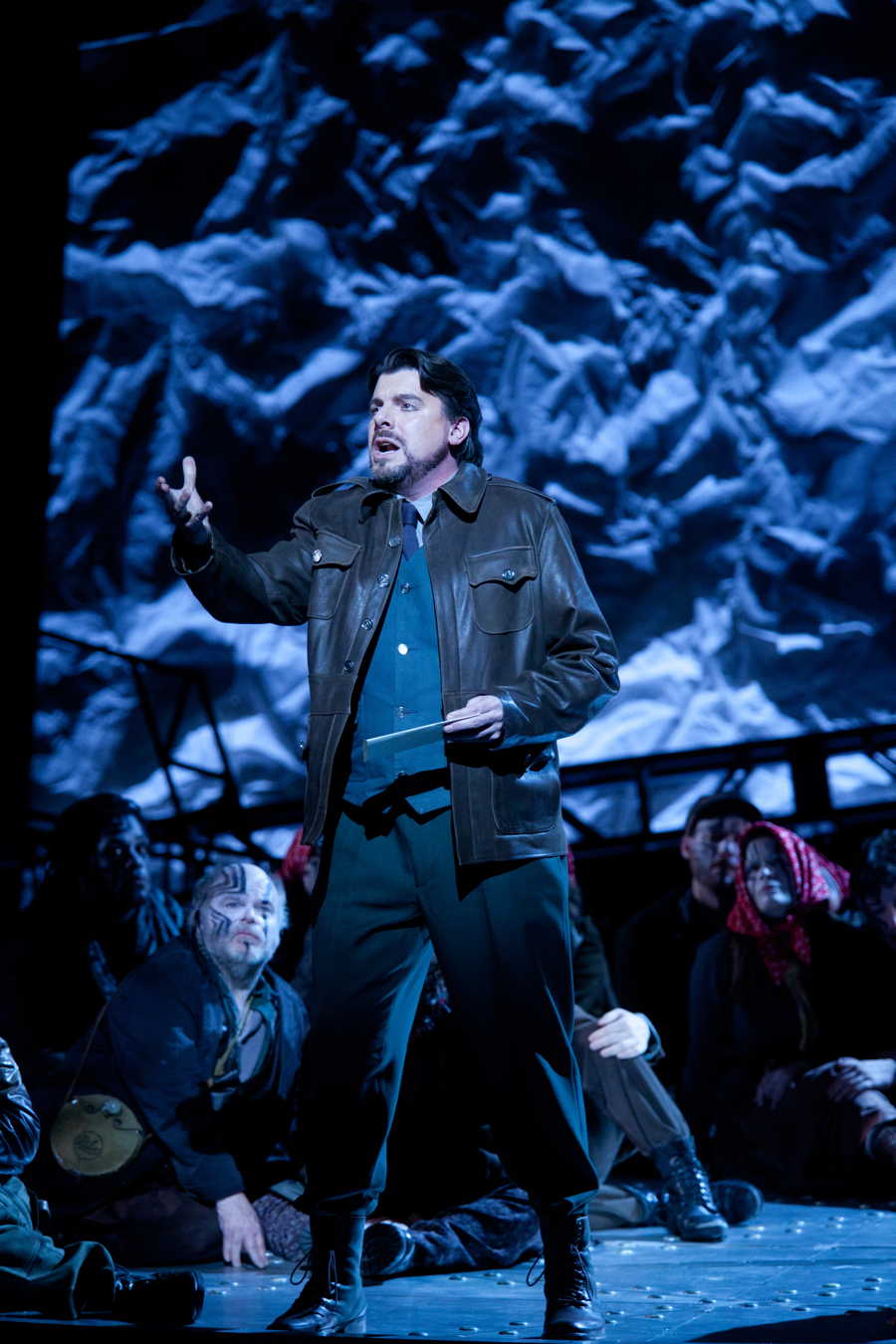
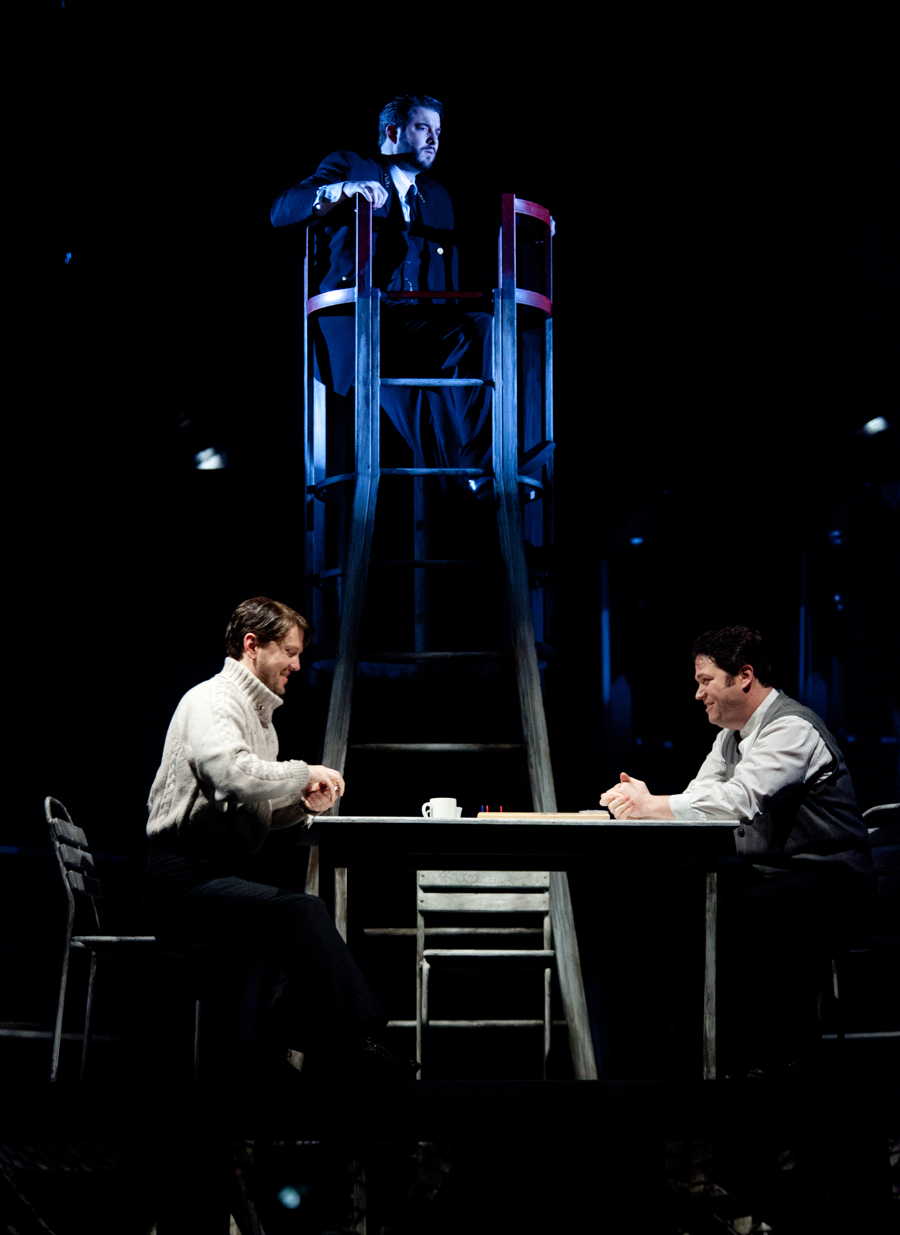
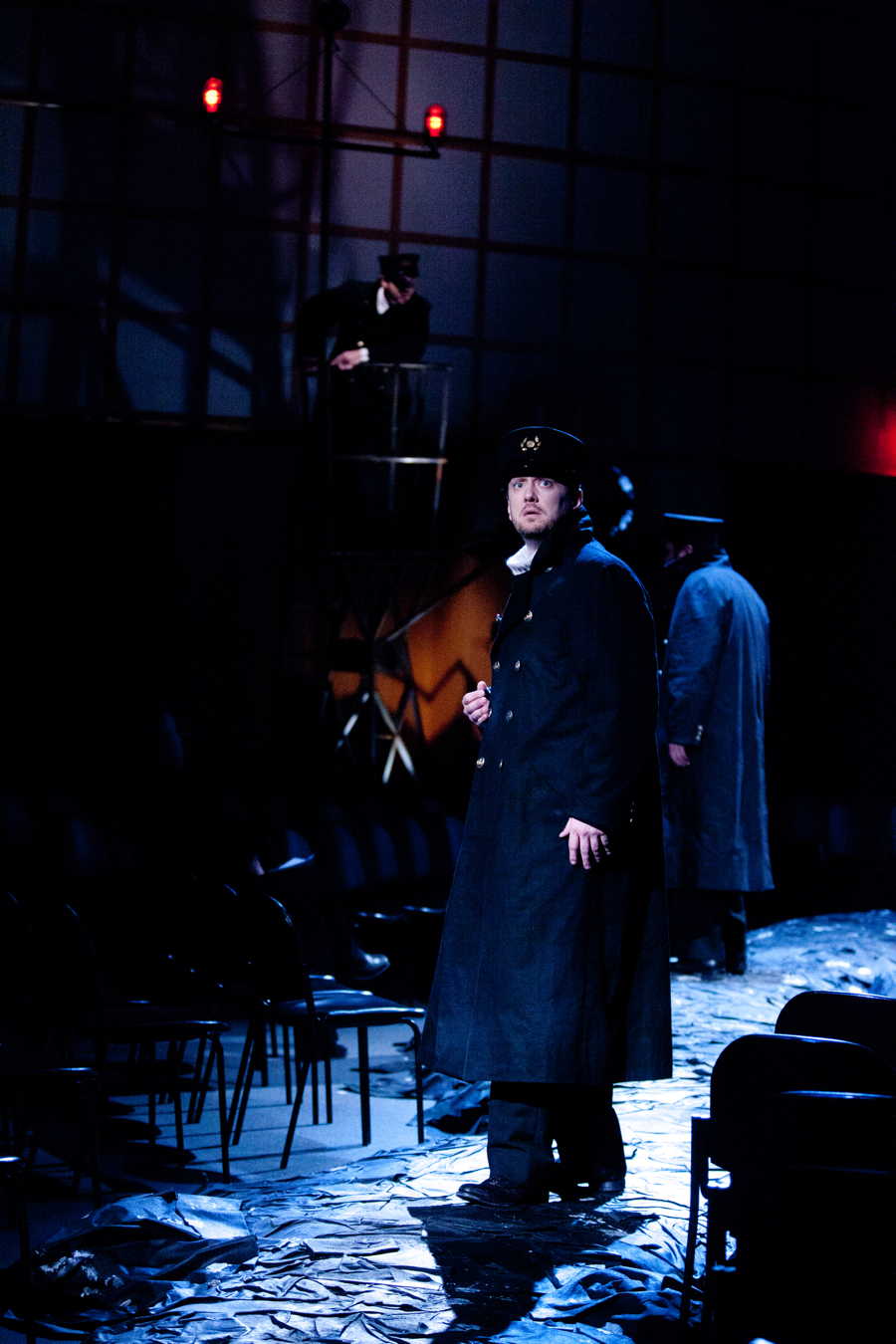
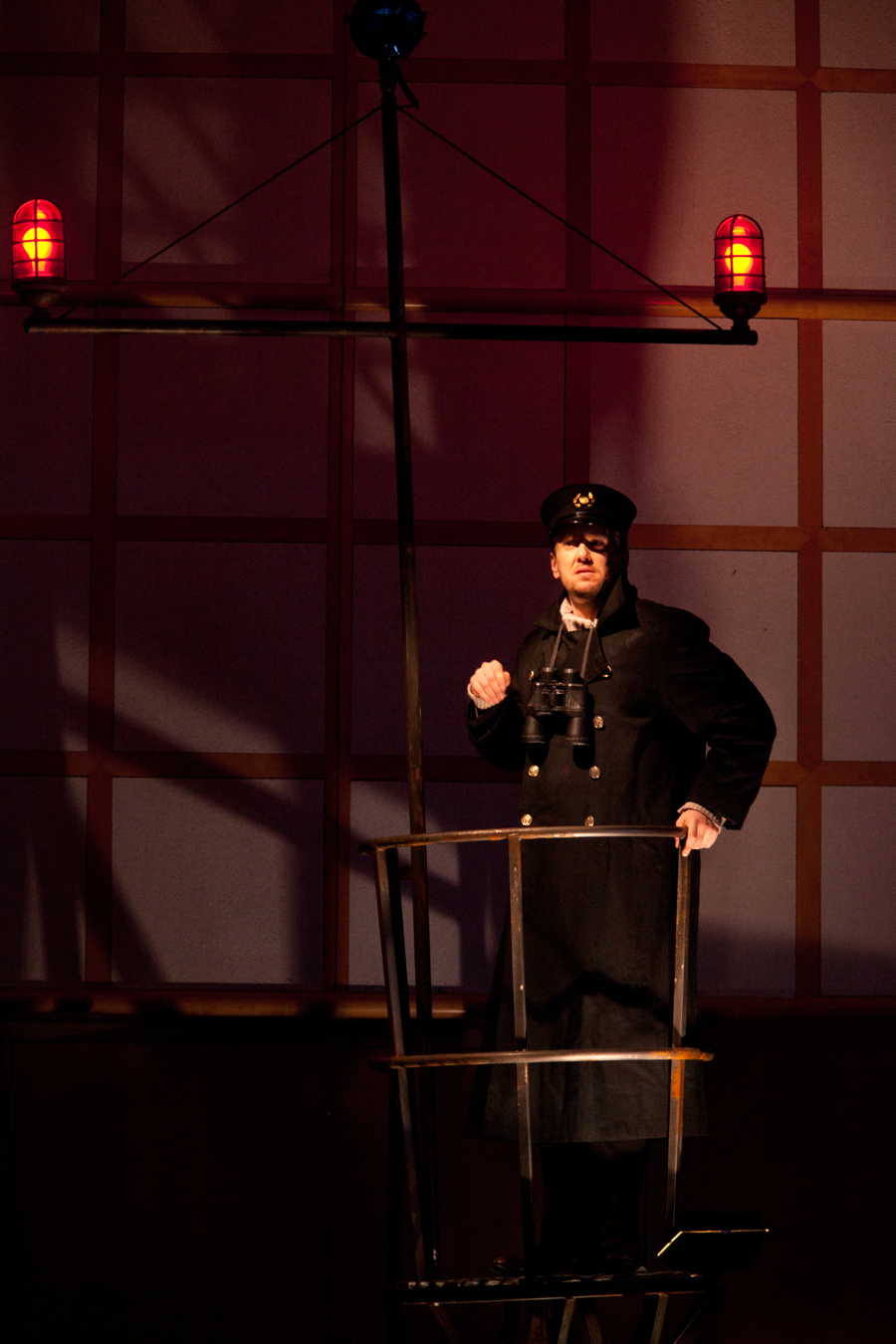
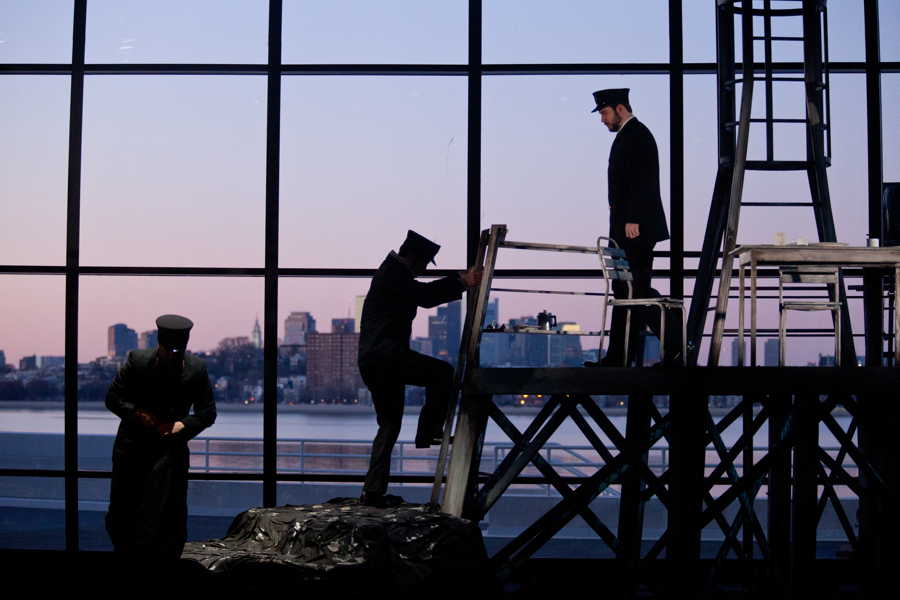
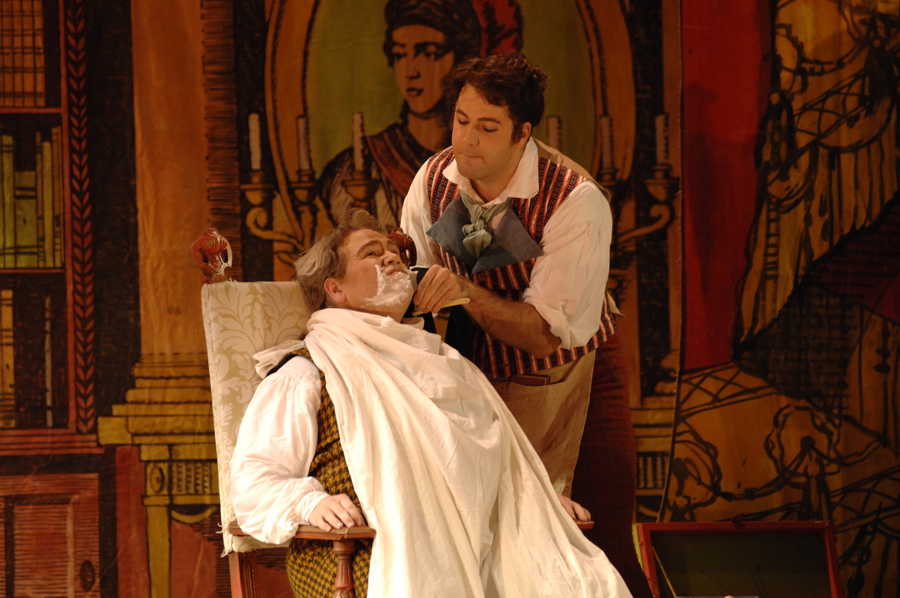
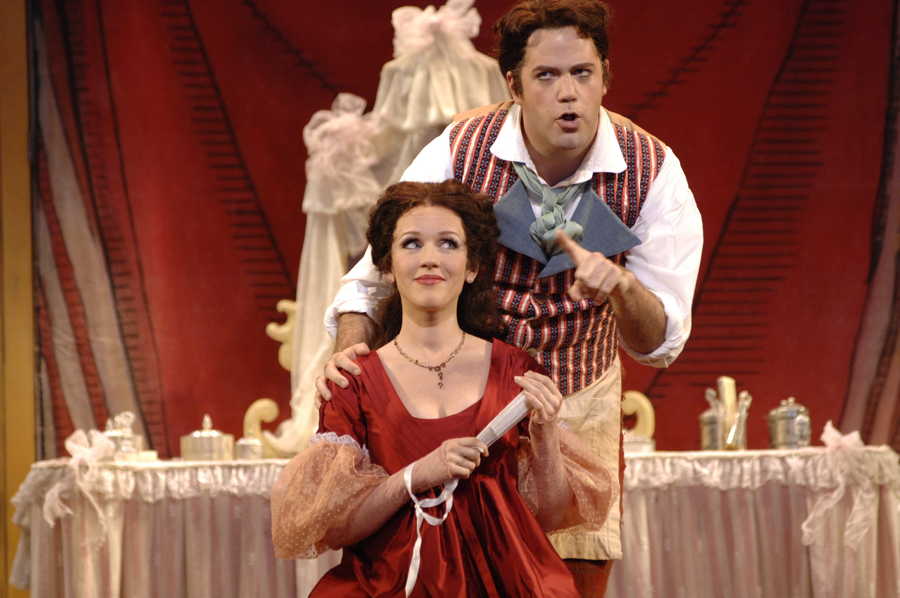
Figaro, Figaro, Figaro! Rossini is undoubtedly the top dog of comic opera and The Barber of Seville is his undisputed masterpiece. Rossini generously stamps every moment with his own unique and irresistible mixture of manic madness and soaring lyricism. Patter songs, love duets, serenades, a shaving scene out of Mack Sennett, a foiled elopement, a happy ending, even a thunderstorm. The Barber has it all … and more.

BUY TICKETS

Conductor    DAVID ANGUS
Stage Director    DOUG VARONE*
Original Production    CHRISTOPHER MATTALIANO
Set Designer    ALLEN MOYER
Costume Designer    JAMIE SCOTT*
Lighting Designer    PAUL PALAZZO
Figaro, baritone    JONATHAN BEYER*
Rosina, soprano    SARAH COBURN*
Count Almaviva, tenor    JOHN TESSIER*
Dr. Bartolo, bass-baritone    STEVEN CONDY*
Basilio, bass    DAVID CUSHING
Berta, soprano    JUDITH CHRISTIN*
Fiorello, baritone    GREGORY GERBRANDT

Boston Lyric Opera Orchestra and Chorus
*BLO Debut
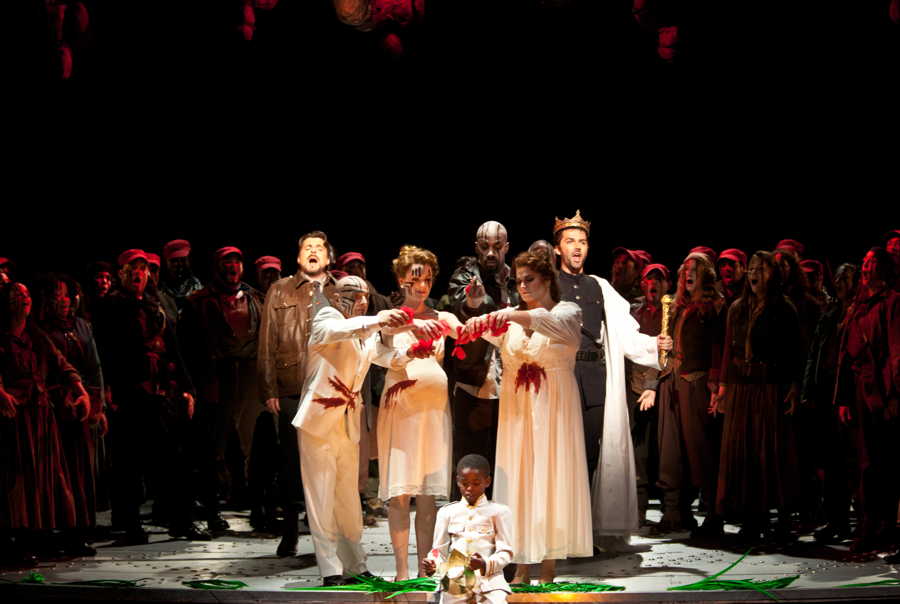
ACT 1
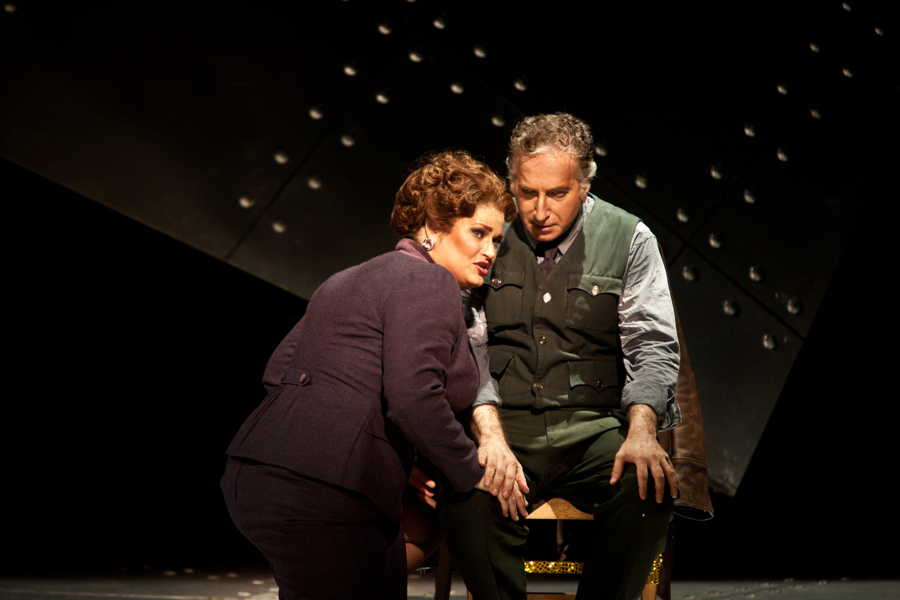
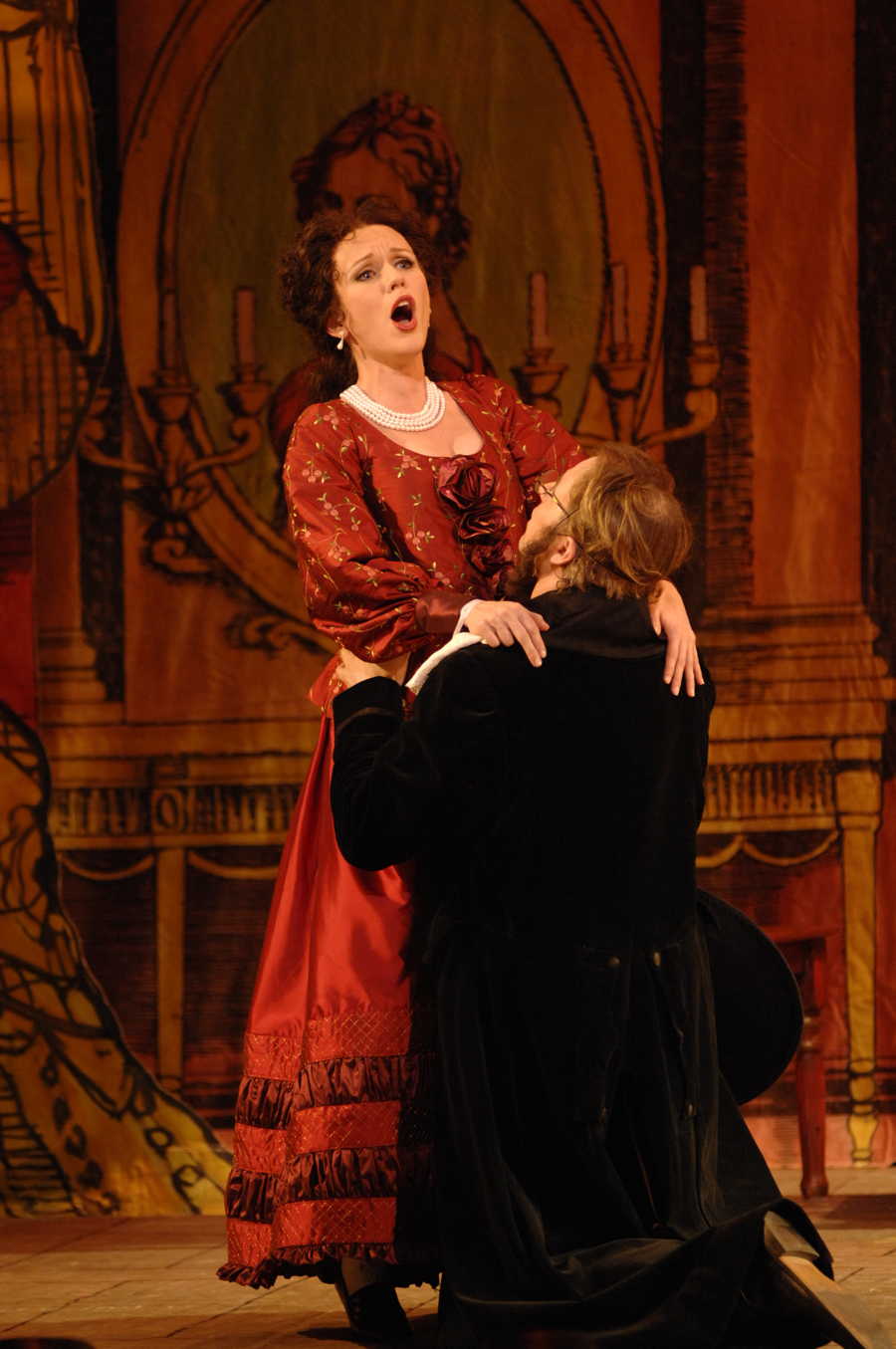
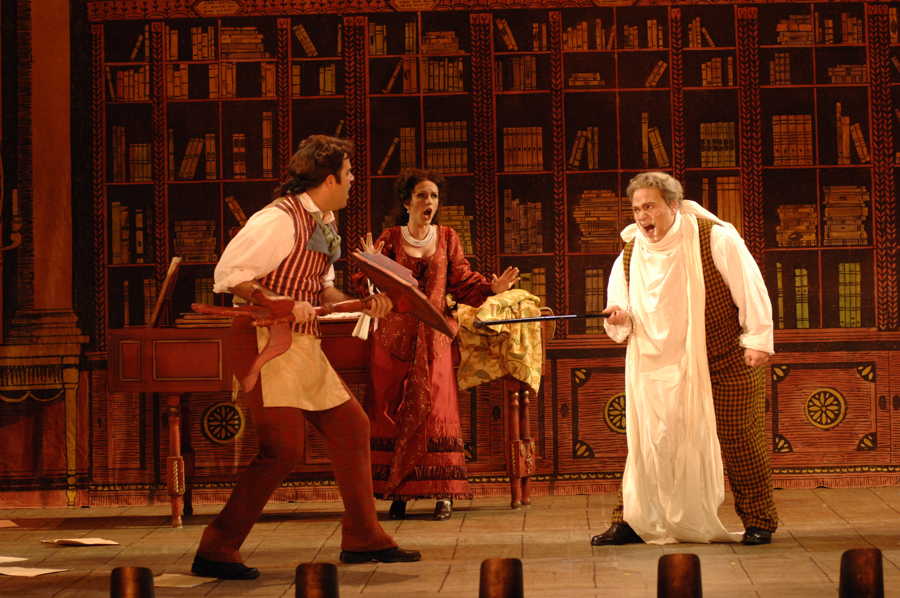
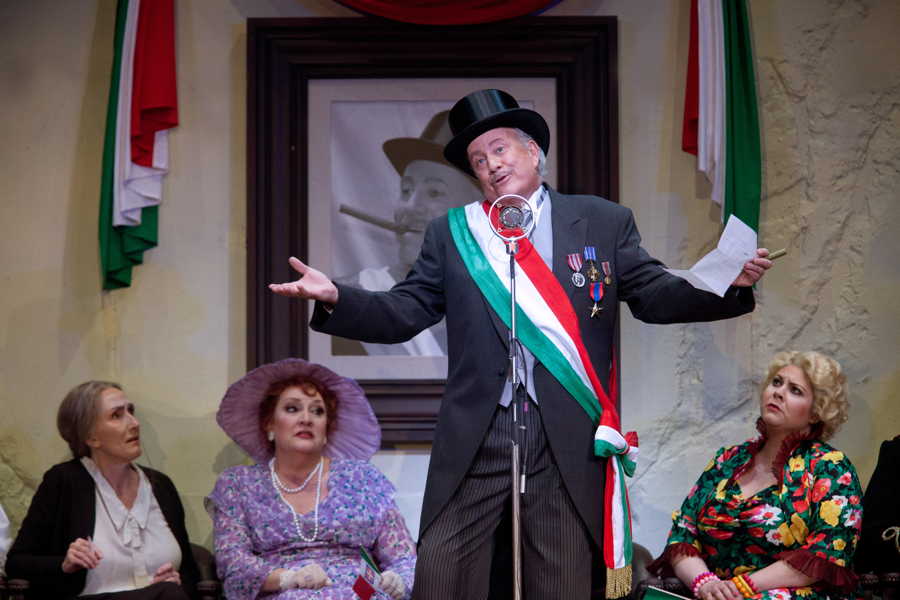
Count Almaviva, having fallen instantly in love with a young girl he saw on the Prado, has followed her to her house where he attempts to serenade her with the aid of a group of somewhat obstreperous hired musicians, but frustratingly, she fails to appear. Left alone, he is distracted by the arrival of Figaro, the town barber who extravagantly boasts of his supreme importance to the town (Aria: Largoal factotum della citta), an importance that extends far beyond his hairdressing skills. He recognizes the Count and informs him that the girl, Rosina, is not Doctor Bartolo’s daughter (as Almaviva had assumed), but his ward . Dr. Bartolo keeps her as a virtual prisoner and (it turns out later when they overhear Bartolo’s plans) he indeed actually intends to marry her. Almaviva, who now decides that he wishes to be incognito (he will pass himself off as the student ‘Lindoro’ lest Rosina be tempted by his wealth and position), is urged by Figaro to try another serenade. (Canzone: Se il mio nome saper voi bramate) This time Rosina appears (and so does Bartolo) but she is able to cleverly drop a note to him under her guardian’s nose. The moment of contact is however brief and she is quickly pulled back into the house. Always on the lookout for some ready cash and promised ample compensation by the Count, Figaro devises a plan; the Count will gain entry to the house by pretending to be a drunken soldier who has been billeted on Bartolo. They work out the details (Duet: All idea di quell metallo).

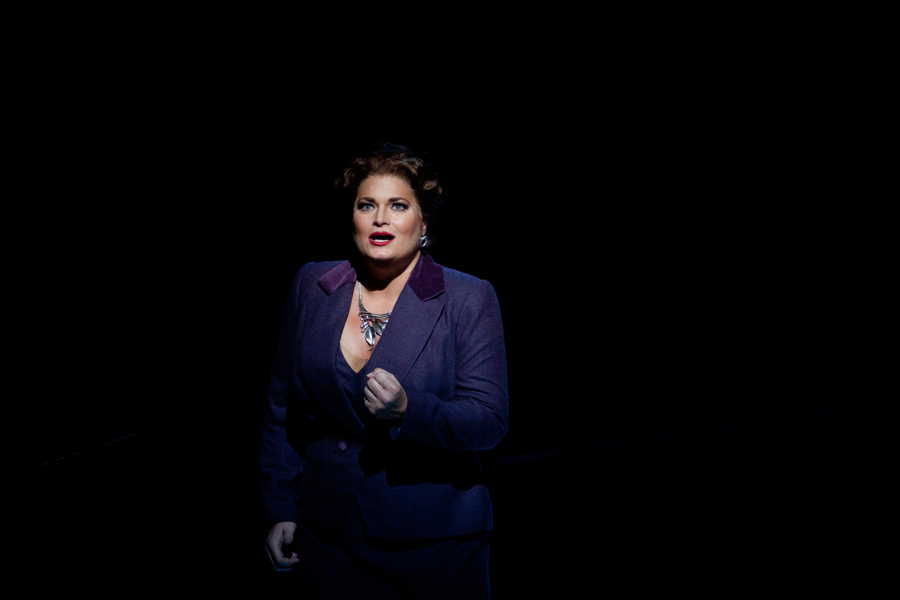
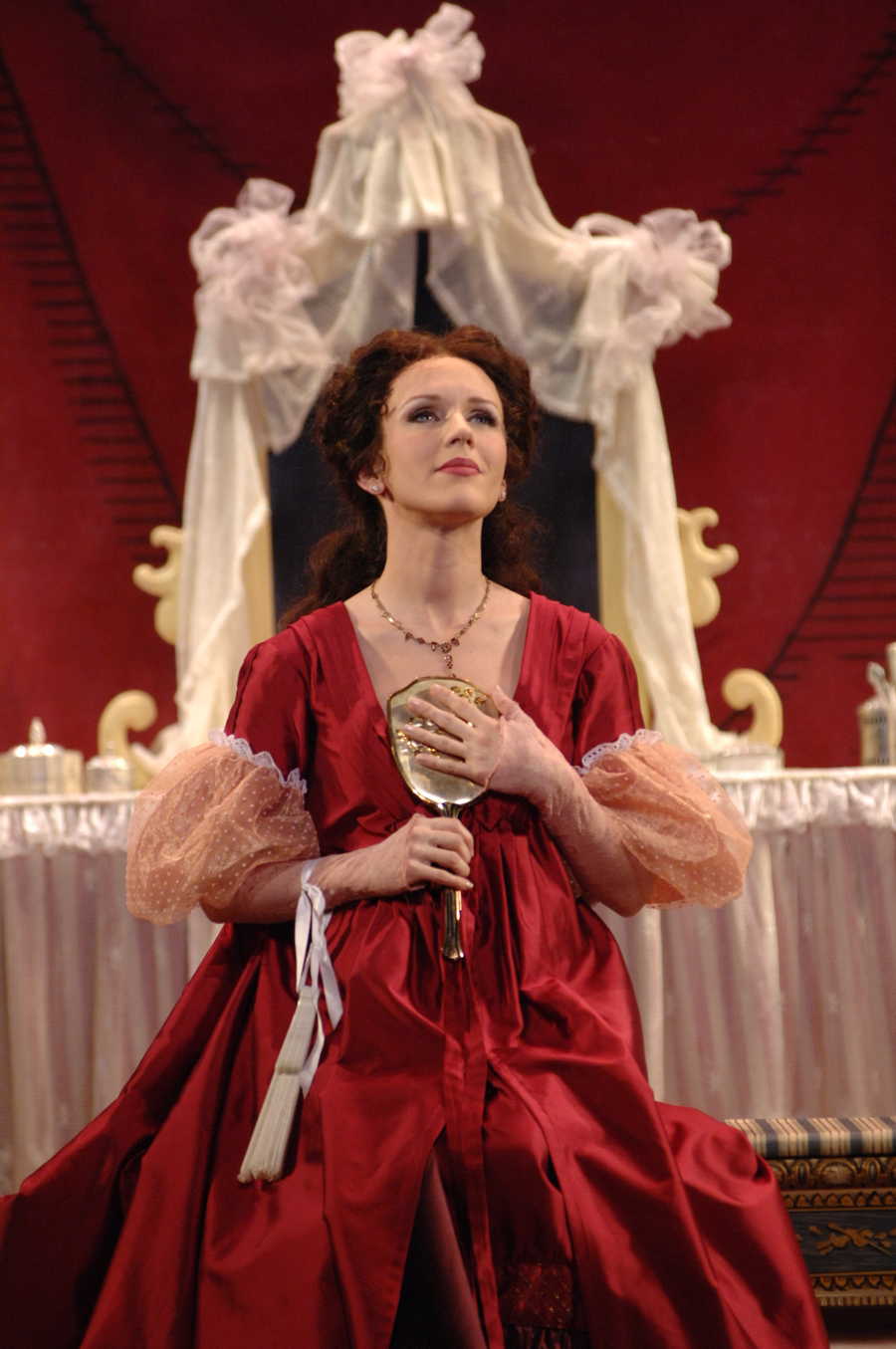
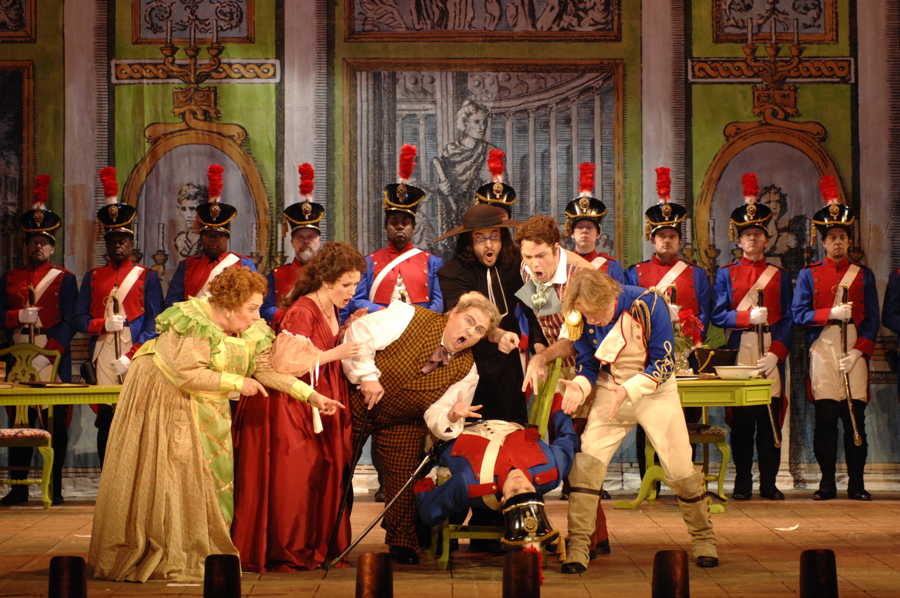
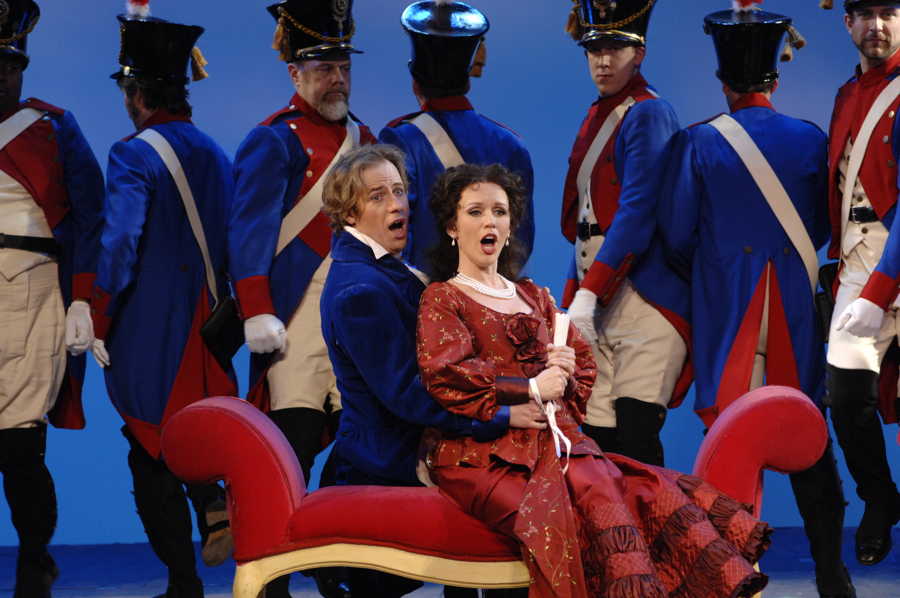
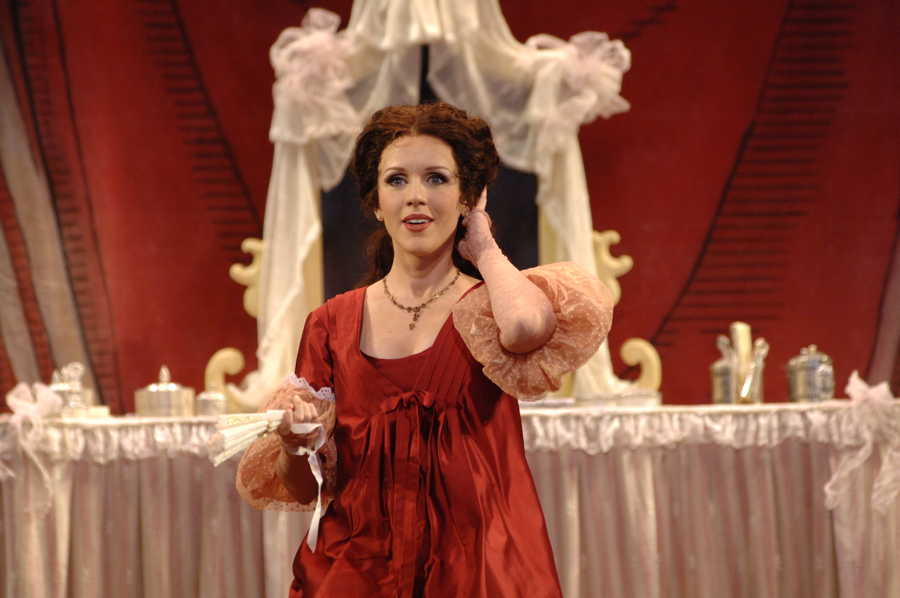
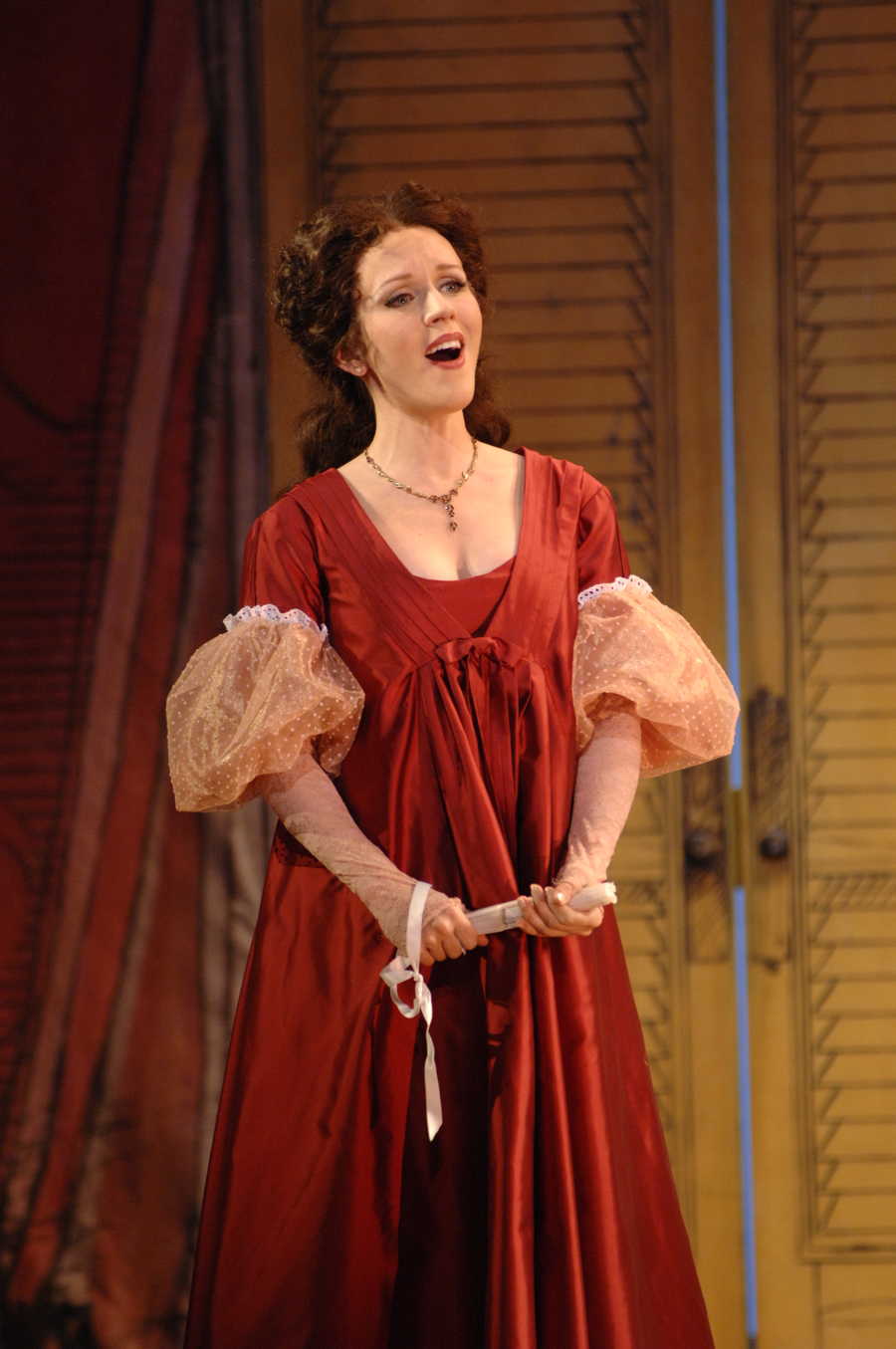
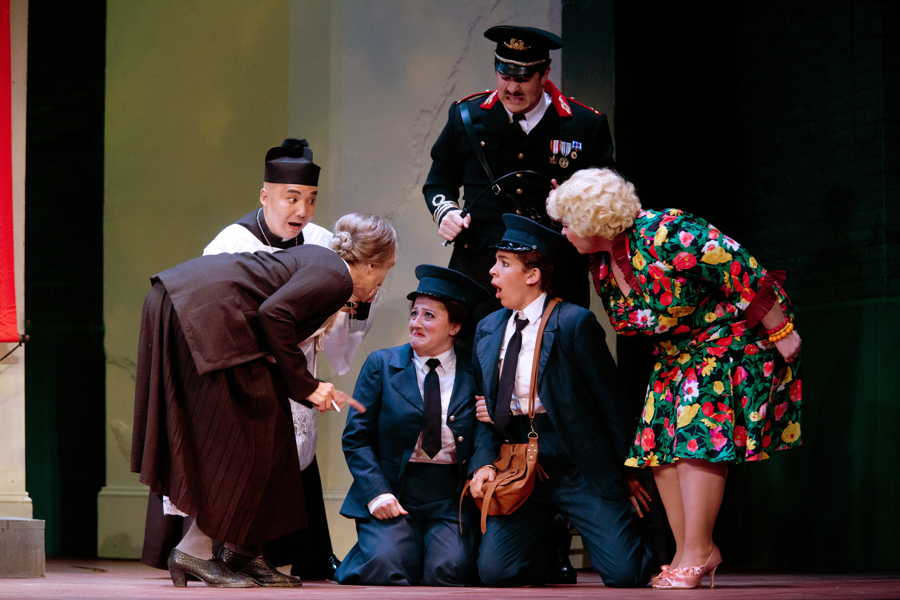
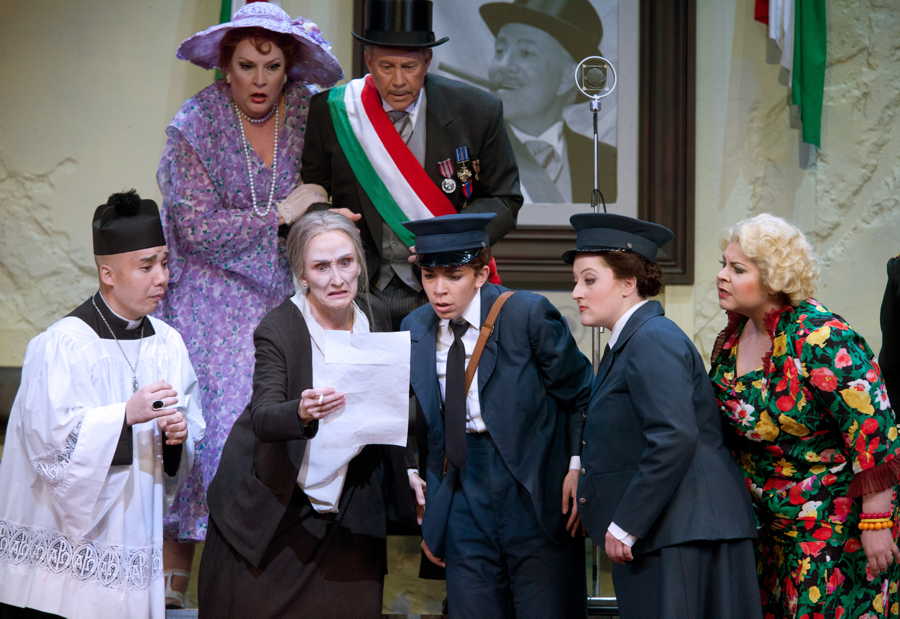
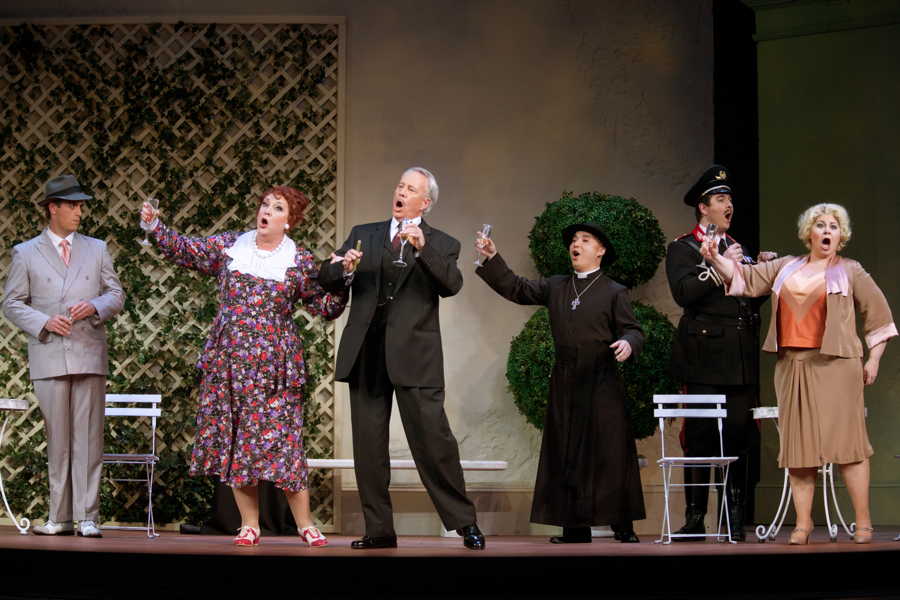
Rosina, quite a skillful schemer herself, has written a letter to Lindoro the successful serenader (Cavatine Una voce poco fa). Don Basilio, music master to Rosina and slimy confidant to Bartolo brings word to Bartolo that Almaviva, attracted by Rosina’s beauty, has arrived in Seville and that they might deal with this potentially dangerous situation by spreading malicious rumors about him (Aria:? La calunnia). Bartolo, now slightly panicked decides to marry Rosina at once. Figaro, who has overheard their plotting, informs Rosina of this turn of events; they had better do some planning on their own. To start with, Figaro will deliver her letter to Lindoro (Duet: Dunque io son). Suspicious that Rosina has written to her lover, Bartolo tries to reassert his territorial imperative and vows to keep her even more  firmly locked up (Aria: A un dottor della mia).  A beating on the door announces the Count as planned, now in the guise of a drunken soldier demanding lodging (Finale: Eh! Di casa).  In the ensuring uproar, as Bartolo vainly tries to present his exemption to the billeting, the Count is able to reveal to Rosina that he is Lindoro and slip her a letter. The noisy row seems to have alerted the police, and all the characters simultaneously try to explain the situation. The officer in charge attempts to arrest the soldier but when Almaviva quietly shows proof of his true identity, he of course immediately desists. Bartolo is struck dumb and then explodes in frustration and anger. Everyone’s total, even manic; confusion produces a delightfully typical “Rossinian” finale of controlled musical chaos.

Act 2
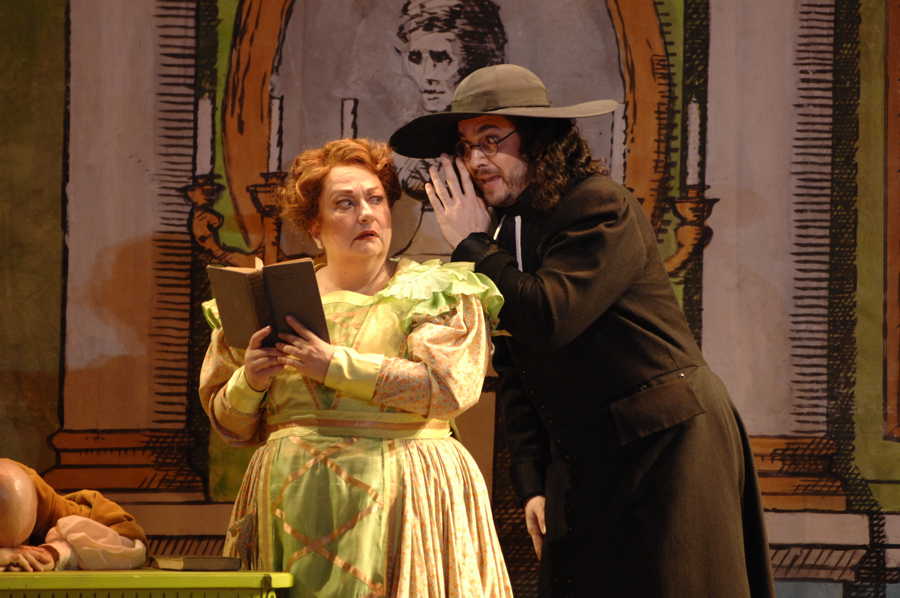
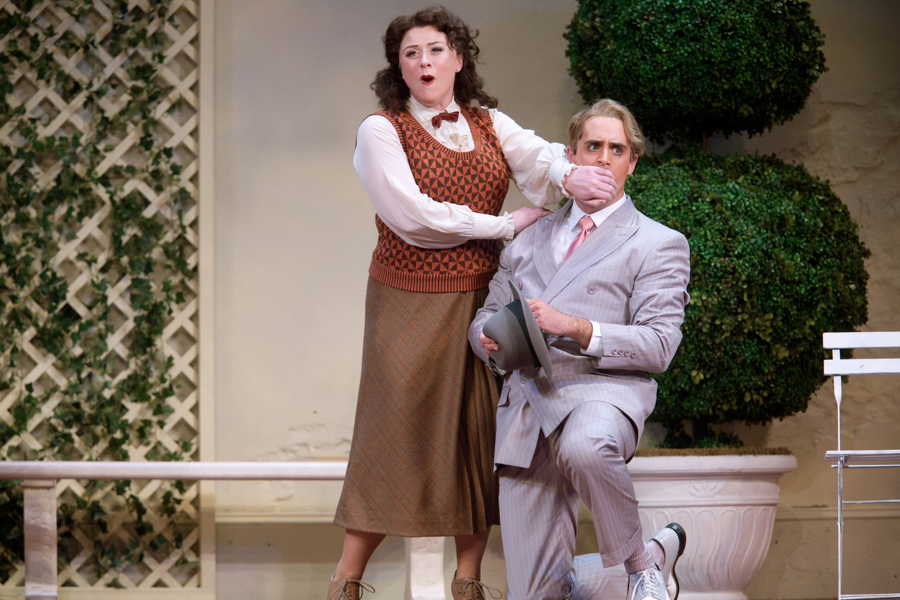
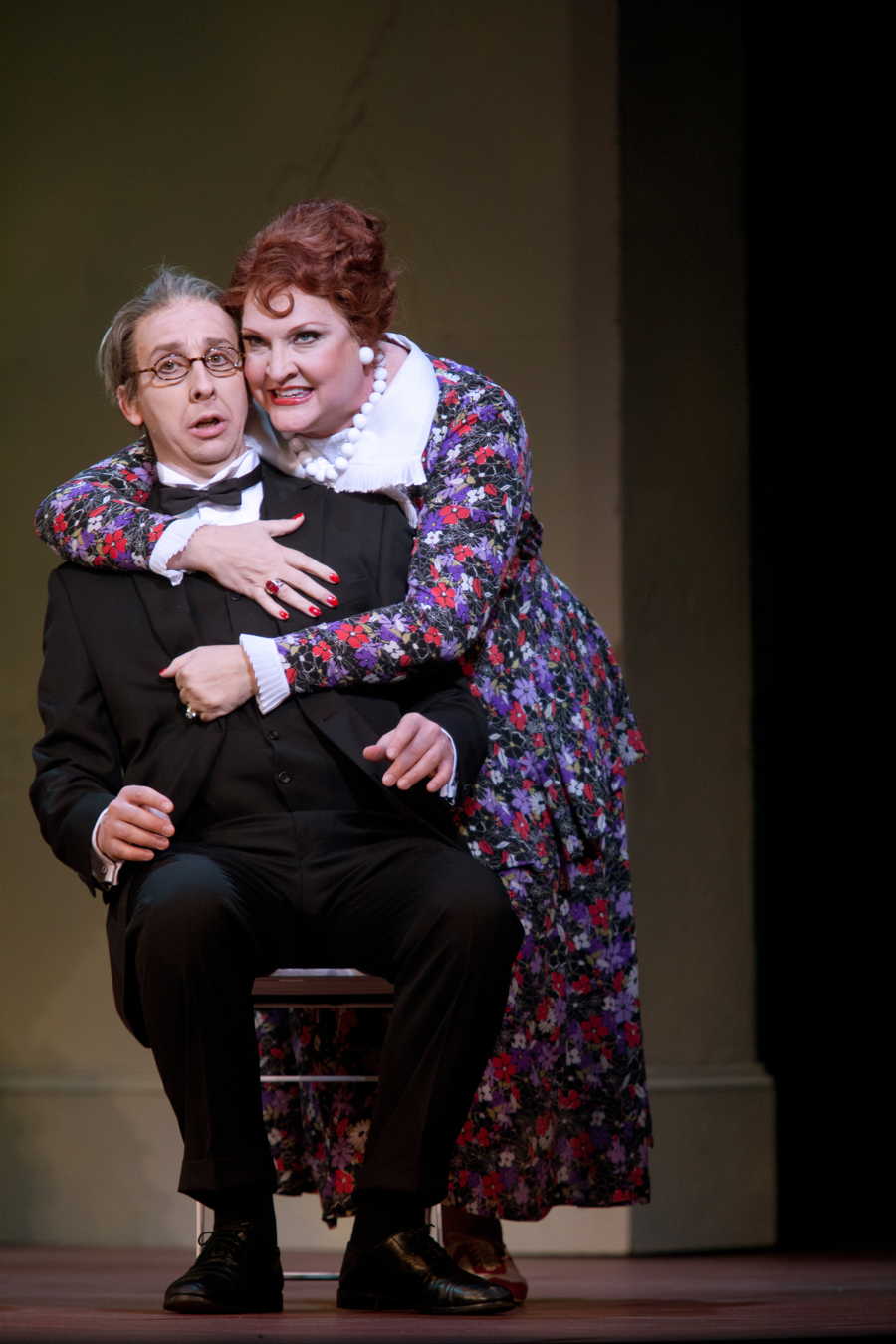
The Count assuming yet another disguise (now the music master, Don Alonso) arrives to give a lesson to Rosina. He claims he’s substituting for the suddenly ill Don Basilio (Duet Pace e gioia).To gain Bartolo’s confidence, he tells him he will trick Rosina into believing that the Count is merely playing with her affections. The lesson commences with Bartolo dozing off, while the lovers express their mutual love in between the high notes. But at one point Bartolo hears enough of this contemporary music to become annoyed and counters with his own song (Arietta Quando mi sei vicina). Figaro  comes to give Bartolo his daily shave and by creating a diversion manages to obtain the balcony key necessary to the elopement.  In the midst of all this and to everyone’s mighty consternation Basilio arrives (healthy). Quickly, Almaviva bribes him to feign illness and he is with some difficulty shoved out of the house (Quintet: Buona sera).  Bartolo overhears the subsequent plotting to spirit Rosina away, penetrates Alonso’s disguise and in a rage (again) drives everyone away.  In the quiet before the storm, (literally) another party is heard from as the housekeeper Berta comments wryly on the foolishness of old men who would marry a young woman (Aria II: vecchiotto cera moglie). Bartolo, now with connivance of Basilio confronts Rosina with Almaviva’s letter. With the supposed evidence that Lindoro, the agent of the Count, only wants to marry here for her money, persuades her to marry him instead.  Thunder and lighting provides nature’s comment on the stormy doings of these mere mortals (Interlude: Temporale).  When the Count and Figaro come back via the balcony, the elopement begins as planned but suddenly Rosina accuses Lindoro of intending to sell her to Almaviva. After a moment of confusion the Count reveals his true identity and all is forgiven. Unfortunately in the meantime, Bartolo has arranged that the escape ladder be removed and it seems as if they’re trapped.  Basilio enters the scene as ordered with a notary ready to marry Rosina to her guardian, but an offer he can’t refuse quickly persuades Basilio to act instead as a witness to the marriage of the Count and Rosina. When Bartolo finally catches up with events it’s far too late and he is obliged to join in the blessing of the newly married couple.

WHO? WHAT? WHERE? WHEN? (A little background)  

DIGGING DEEPER (CD & Book Recommendations, etc) 

Learn more about Rossini:
The Puzzle of Rossini’s Brief Career

Details about Beaumarchais, the dramatist behind
The Marriage of Figaro and The Barber of Seville
How to Stage a Revolution